


Handling Household Hazardous Waste in MNBP
Submitted by Jacqui Wakefield (MNBP Waste Management and Diversion Committee)
Keeping the most toxic trash out of our landfill sites protects the health of our environment (including us), conserves resources through special recycling practices, and saves landfill capacity. In Canada it is estimated that we produce 8 million tonnes a year of hazardous waste, only 40% of which is “captured” and treated. The rest goes to our landfill sites in our garbage or down our drains! Eventually the toxic chemicals and heavy metals in these products find their way into our water and soil!

What is Household Hazardous and Special Waste?
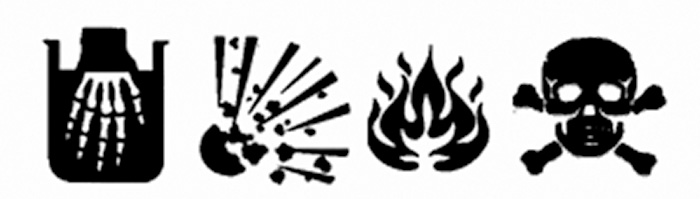
Household Hazardous and Special Waste (HHSW) materials are the unused portions of many household products that contain chemicals which can cause illness or death; to people, plants and animals. They can also negatively impact soil and water. These products often have CAUTION, CORROSIVE, EXPLOSIVE, FLAMMABLE, POISONOUS, TOXIC or WARNING on their labels.
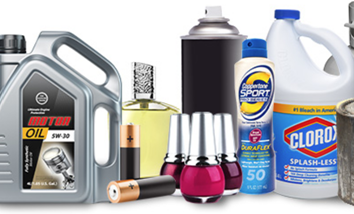
HHSW includes things like paints and stains, propane tanks, used oil, aerosols, batteries, antifreeze, oil filters, solvents, many household and automotive cleaners, fluorescent lights, yard/garden chemicals (fertilizers, herbicides and pesticides), fuel, medications, cosmetics and nail polish, and many more products.
These and many other types of hazardous materials require safe handling and should not be put in your garbage, dumped on the ground, or poured down the drain. If disposed of incorrectly, toxic materials can contaminate water and harm or destroy sensitive ecosystems.
Statistics Canada reported that the most common items incorrectly thrown out in garbage were dead or unwanted household batteries, compact fluorescent bulbs and medications.
Many more details are available at the Bruce County website, under “waste” www.brucecounty.on.ca/hazardous-waste.php.
Household Hazardous and Special Waste Drop-off Days
In 2022 the Household Hazardous and Special Waste days are :
• July 23 at the Eastnor Landfill Site (1252 West Rd) and
• August 6 at the St Edmunds Landfill Site (71 McArthur Rd).
Both events will open at 8 am and run until 12 noon.
Last year the two HHSW days in the Municipality of Northern Bruce Peninsula yielded a total of 15.09 tonnes (15,090 kg) of hazardous waste! Thank you for diverting this much of your hazardous waste from our landfills.
How should I transport my HHW items?
Hazardous products require safe, responsible handling. They should be transported in their original labelled container, sealed and upright.
Use secondary packaging to contain leaky containers. Do not mix wastes.
What if I can’t get to one of the HHSW Drop-Off Days?
Residents of Bruce County are welcome to attend any of the Household Hazardous and Special Waste Collection Events locations throughout the county. The list of dates and places is available on the MNBP website.
In addition, there are a number of locations in the region where many HHSW materials can be dropped off for free. For example, household batteries can be taken to one of the landfill sites or to retailers such as Staples in Owen Sound. Leftover paints, stains and solvents often can be returned to the stores where they were purchased. Our local pharmacies in Lion’s Head and Wiarton will accept unused or expired medications. If you are unsure, call ahead.
How can I reduce my use of hazardous materials?
Whenever possible, use safer alternatives. Many household cleaners and solvents are hard on the environment. Whether you are on septic or sewer, what you put down the drain makes a difference. Fortunately, there are environmentally-safe and inexpensive alternatives to most household cleaners. Lemon juice, baking soda and vinegar are just some examples.
Pesticides are substances developed to eliminate insects, weeds, rodents, fungi, and bacteria. Synthetic pesticide use can be harmful (particularly to younger children and pets), can damage desirable plants and beneficial insects, and can contaminate soil and waterways. Many pests can be effectively managed without synthetic pesticides by using natural gardening techniques, encouraging beneficial creatures that will naturally enhance your garden (spiders, bees, ladybugs, frogs and bats), and using organic compost “fertilizer” that will not harm the environment. You also can try natural alternatives to eliminate pests and diseases – e.g., a soap solution to wash leaves or a homemade spray using ingredients like garlic and mint.
Handle with Care
All paints, solvents and adhesives contain chemicals that can be harmful to the environment.
-Never pour excess paint on the ground or down the drain.
-Ensure paints and solvents are properly stored and/or recycled.
-Be prepared for a spill by having absorbent materials and other clean up items accessible.
If you must purchase hazardous products, limit the amount you buy, properly store what you don’t use, and dispose of excess materials appropriately at designated facilities or at the HHSW Drop-Off Days.
Please do your part! Help protect the Peninsula and keep it green!