



Tammy Raycraft,
Bruce Peninsula Press
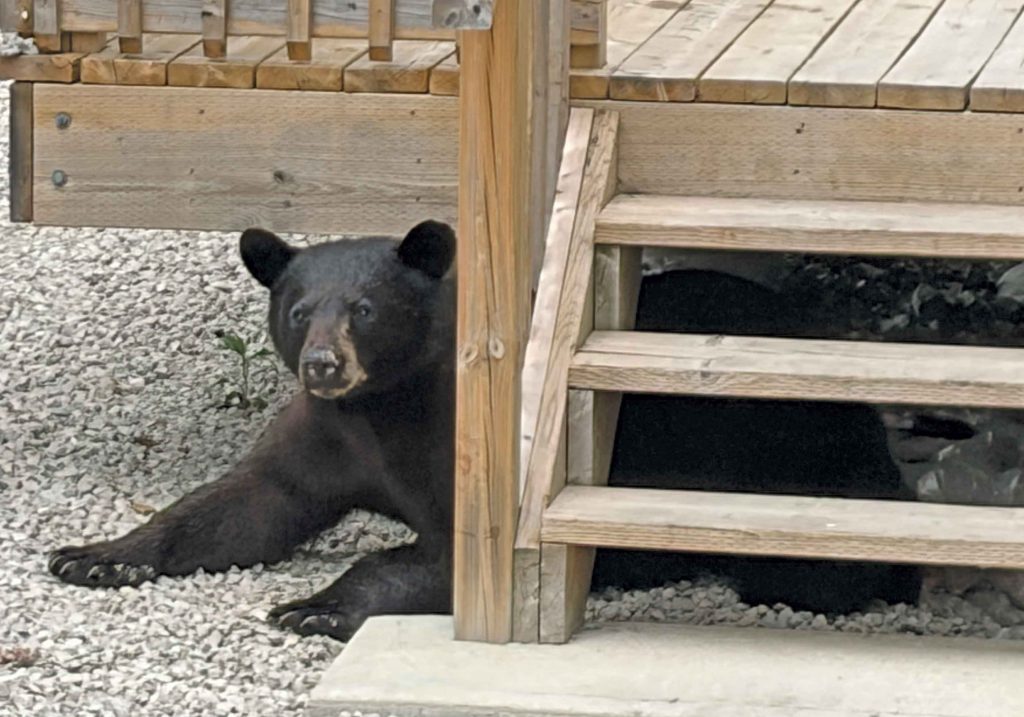
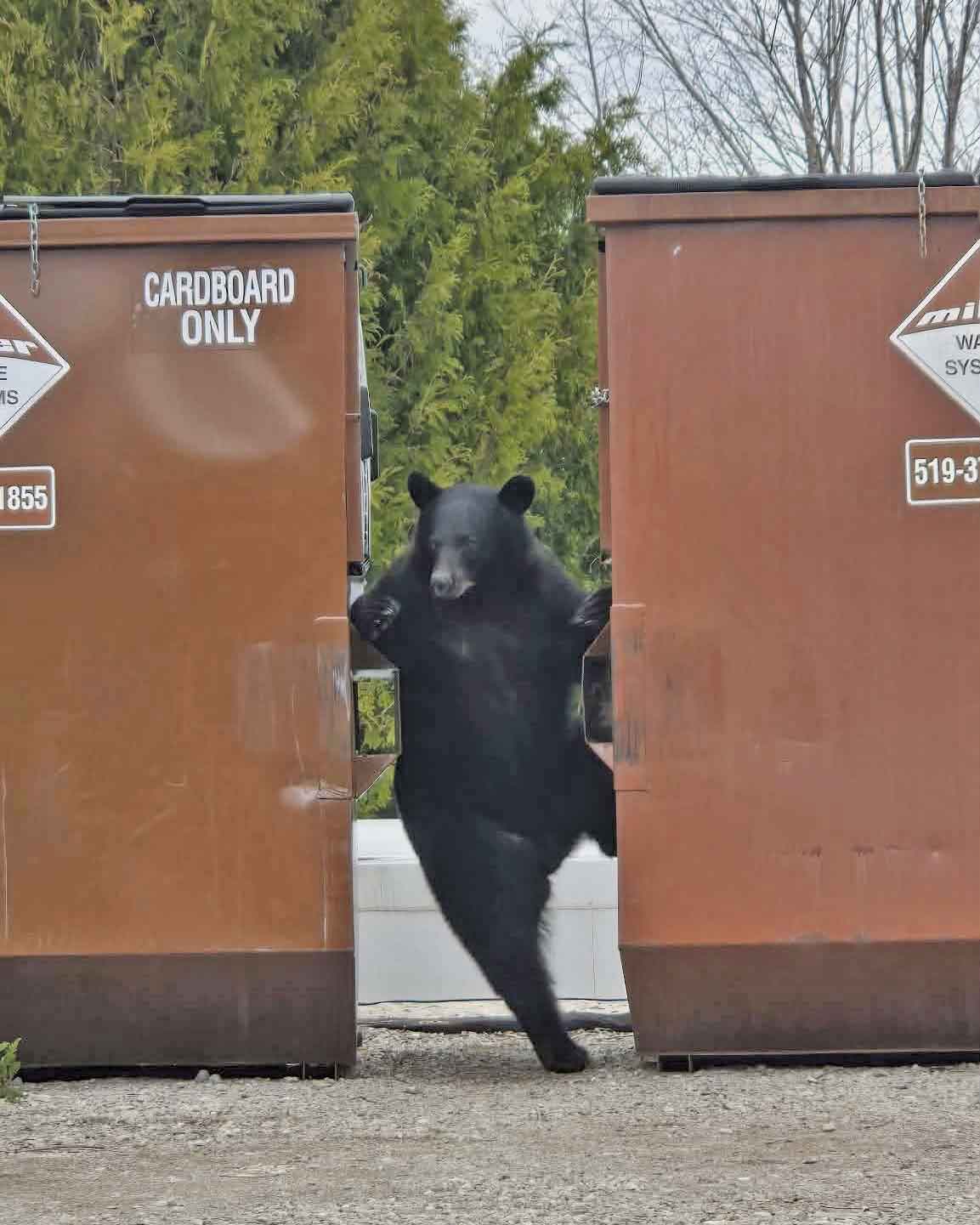
Spring is here and with it has come many bear sightings around Tobermory. Businesses and homeowners have taken to social media to post pictures and videos of bear sightings around town, earning nicknames such as “Big Tub Bear”. Businesses are having to take extra precautions to secure dumpsters and garbage so bears can’t get into them.
Parks Canada warns to limit wildlife interaction as much as possible in the following statement they provided:

“While bear sightings have been on the rise this spring, Parks Canada would like to remind visitors that this is a normal part of the bear’s hibernation cycle. This past winter was long and likely difficult for bears during their hibernation. Now that the winter season has come to an end, the bears are hungry and more likely to venture out looking for food. As a result, it is not unusual that we are seeing an increase in bear sightings this spring.
The most important thing to remember is that we all do our part to help limit bear and other wildlife interactions. Bruce Peninsula National Park requires that food, food related items, and cosmetics be stored properly in a vehicle with closed windows, trailer, hard-sided units, or motor home, and never left out on a picnic table or picnic shelter. Visitors are required to keep their campsites clear of food and garbage when unattended and to pack out these items when they leave. Outside the park boundaries, there are things the public can do to keep bears, other wildlife, and other people safe year-round including, cleaning their barbeques, avoiding leaving food outside, keeping garbage inside garages or bear proof bins, and monitoring their bird feeders.
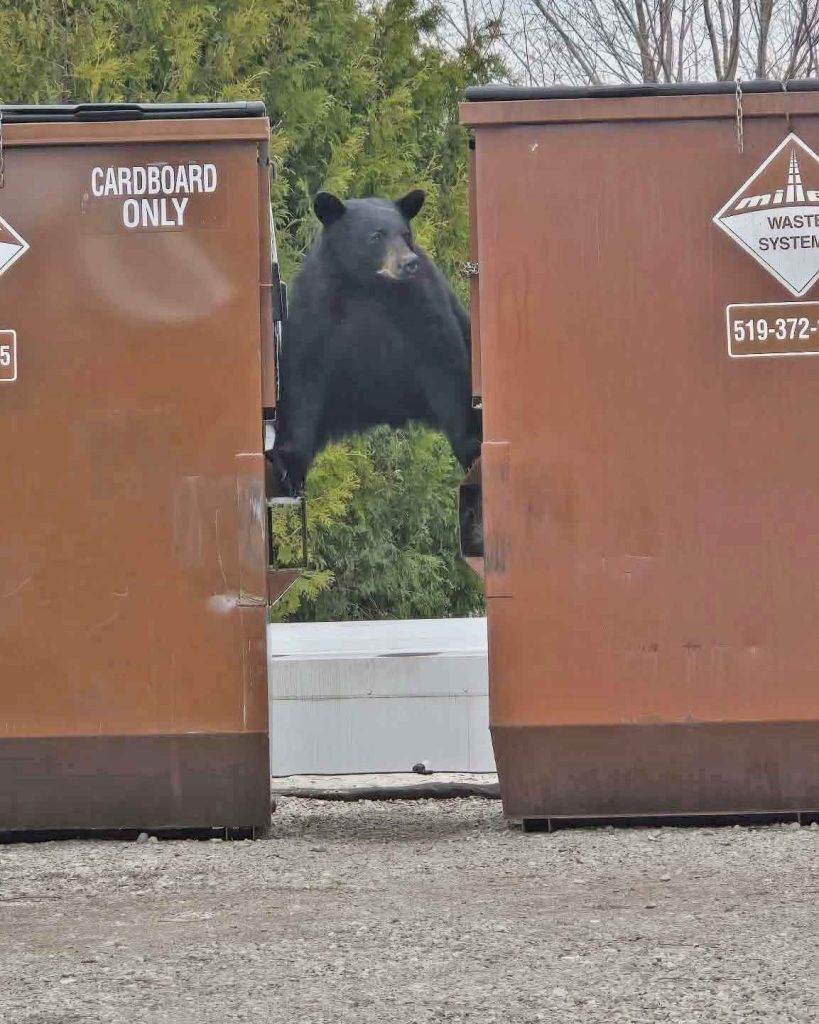
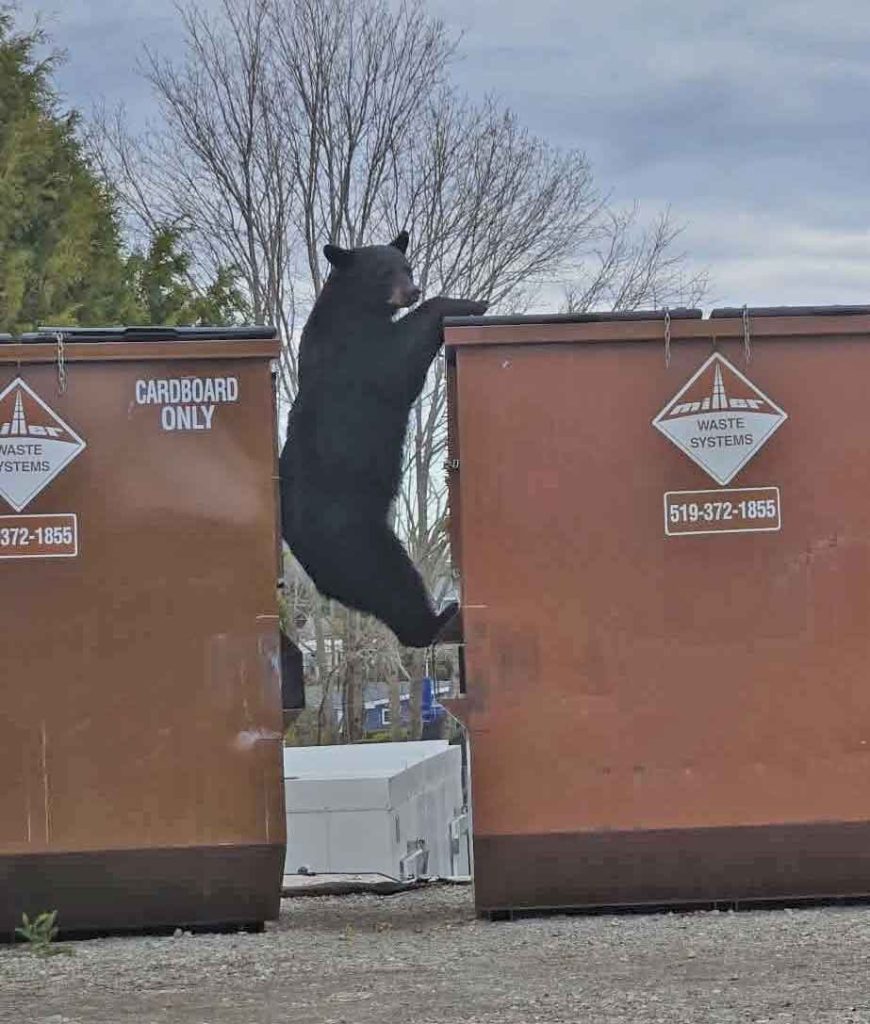
“This past winter was long and likely difficult for bears during their hibernation. Now that the winter season has come to an end, the bears are hungry
and more likely to venture out looking for food. As a result, it is not unusual that we are seeing an increase in bear sightings this spring.” said Parks Canada.
Under no circumstances should anyone feed a bear. Black bears are opportunists, always on the lookout for “easy” calories. Once they find human food or garbage (if they become food-conditioned), they continue to seek it out from backpacks, picnic tables, coolers, etc. If they become accustomed to humans, their natural fear of people fades, and they take more chances to find food rewards. These bears can then become unpredictable and may be aggressive.
Unfortunately, there is little that can be done to manage habituated, food-conditioned black bears. These bears often pay with their lives for human mistakes. The only true solution is to be “Bear Aware” by making sure all food, trash and other possible bear attractants are stored properly.
This land is the bear’s home as much as it is ours, and we need to find ways to safely coexist with one another.”
The Ministry of Natural Resources implemented the Bear Wise Program. This program provides information on preventing and reporting encounters with black bears and can be reached at 1-866-514-2327 from April 1 to November 30 if a bear is roaming around checking garbage cans, breaking into somewhere food is stored, in a tree, pulling down a bird feeder or knocking over a barbecue.