


Submitted by Moira Parker
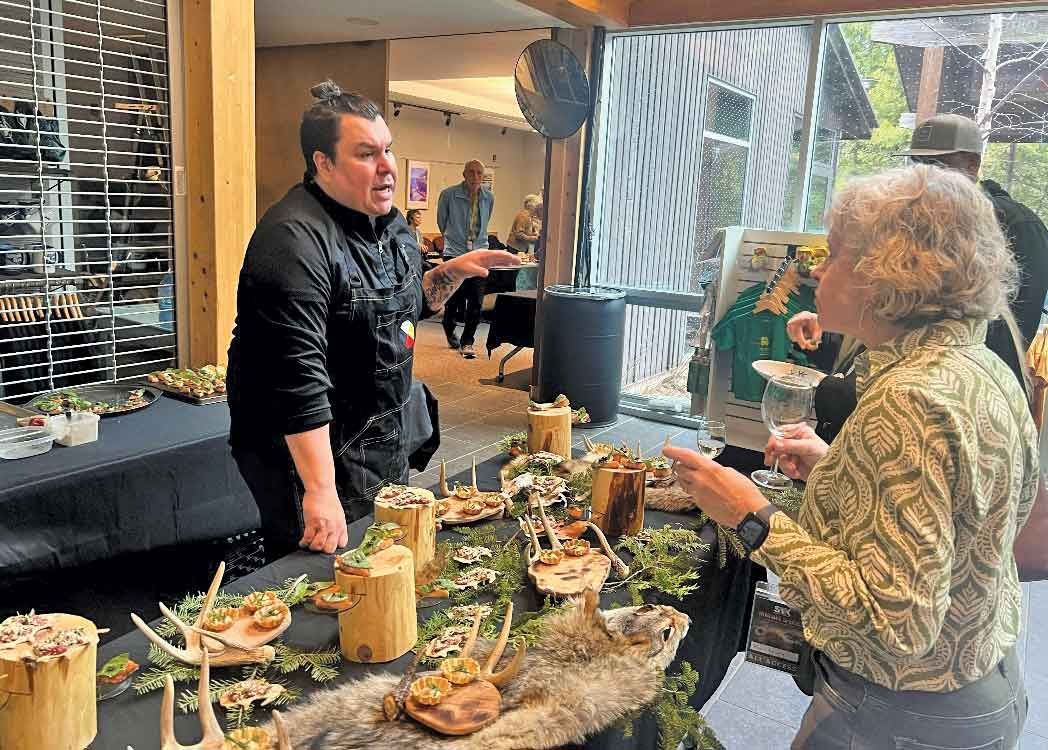
The 16th annual Sources of Knowledge Forum opened Friday, May 1st, for a weekend focused on Invasive Species: Action and Adaptation. Guests were welcomed by the sacred fire, kindled by SON elder David Root and fire keeper Lloyd Ritchie, who tended the fire throughout the entirety of the weekend. The evening featured hors d’oeuvres thoughtfully prepared by renowned chef Zach Keeshig of Nawash, featuring ingredients that reflected local ecosystems and the forum’s theme. For the first presentation, social scientist Dr. Peter Stoett outlined the global scale of invasive species, emphasizing their impacts on biodiversity, local economies, and human well-being, particularly within Indigenous communities. A panel discussion with SON elder Lenore Keeshig further explored the importance of collaboration between Indigenous knowledge and scientific approaches.
Saturday’s program carried the momentum with a series of presentations examining challenges and progress within invasive species management. Attendees heard from Samantha Sommer about efforts to control phragmites australis, the invasive reeds that clog wetlands and impede species. Spencer Bennett, Resource Conservation Technician from Parks Canada, detailed actions being taken to detect and suppress invasive species throughout Bruce Peninsula National Park and Fathom Five National Marine Park. Attention was drawn to emerging threats, including the invasive aquatic plant Hydrilla, which is the subject of a successful study by speaker Kayla Martin that may prevent its establishment in Ontario lakes. Erin Dunlop led a discussion of lake whitefish under pressure from invasive zebra and quagga mussels and revealed that some fish are adjusting their diet to eat the mussels themselves. Fisheries biologist, Ryan Lauzon, from the Chippewas of Nawash Unceded First Nation also brought attention to the effects on lake ecology from intentionally introduced non-native species such as salmon.

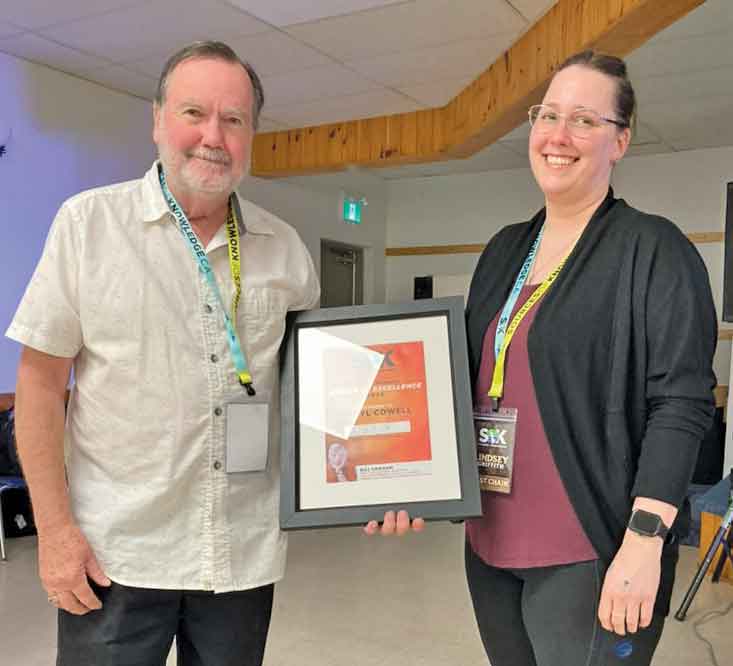
Saturday evening featured a locally catered buffet from Heat n’ Eat Meal Co., followed by the presentation of the Bill Graham Award of Excellence to longtime Sources of Knowledge chair Daryl Cowell. The award was presented by past chair Lindsey Griffith, who also hosted the evening. Following this, Nicholas Mandrak, one of Canada’s foremost experts on invasive species in the Great Lakes, depicted the likely future and emphasized the urgency of taking action now.
The forum concluded Sunday, May 3, with presenters in a panel discussion, reflecting on the many issues raised over the weekend. Key themes included the importance of early action on new invasive species, the role the public can play, and whether there is hope in the ways invasive species are being addressed. Audience questions introduced further perspectives, such as whether commercially harvesting invasive species could help control their spread.
Organizers extend sincere thanks to all who contributed to the success of this year’s forum. A big thank you goes to the speakers and participants whose knowledge and engagement shaped the weekend’s discussions, as well as to the generous donors and supporters whose contributions made the event possible. Special thanks to the catering team, including Zach Keeshig and Heat n’ Eat Meal Co., and to the dedicated volunteers and board members whose time and effort brought the forum to life. In particular, Bill and Judy Caulfeild-Browne for hosting the wine and cheese, and Escarpment Heights and The Princess Hotel for providing accommodations for visiting speakers. Additional thanks to John and Jane Greenhouse, as well as Rob Klea, for generously hosting speakers and ensuring a warm welcome throughout the weekend.
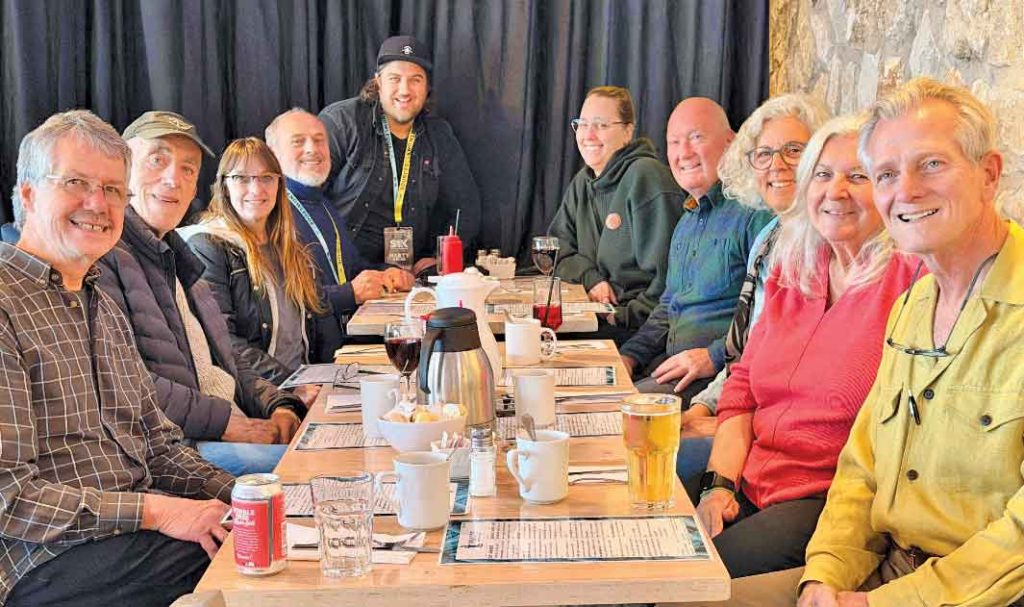
SOK Talk May 21: Salt of the Earth: People of Bruce County
Looking ahead, Sources of Knowledge continues its programming with an upcoming talk by Willy Waterton, titled Salt of the Earth: People of Bruce County. A longtime photojournalist and former chief photographer at the Owen Sound Sun Times, Waterton spent more than three decades documenting life across Grey and Bruce during a period of major transition in photography, from black-and-white film to the digital era. His work, recognized with over 100 provincial and national awards, has appeared in publications such as National Geographic, The Globe and Mail, and The New York Times. Drawing from decades of archived negatives, Salt of the Earth captures the people, livelihoods, and changing landscapes of the region, reflecting Waterton’s role as a visual historian and his connection to rural communities.
The talk will take place May 21 at the Parks Canada Visitor Centre in Tobermory, with doors opening at 6:30 p.m. and the presentation beginning at 7:00 p.m. Donations are welcome.